
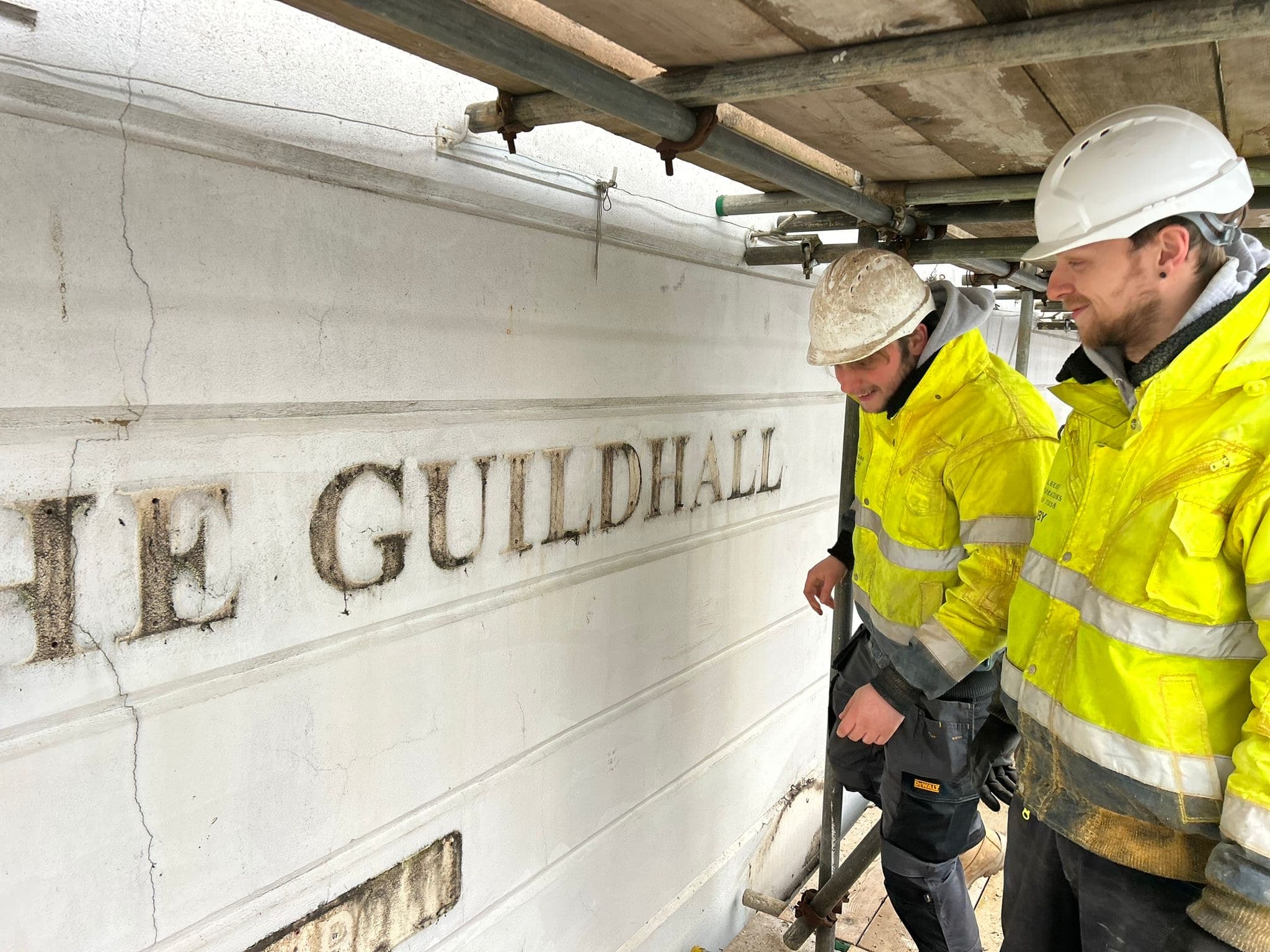
Wiltshire is full of beautiful period buildings, from stone cottages and farmhouses to grand listed properties. Over the years, brick and stone can disappear under layers of paint, bitumen, pollution and biological growth. The good news is that these surfaces can almost always be brought back to life with the right cleaning method. This guide explains your options for brick and stone cleaning in Wiltshire and how to choose the safest approach for older buildings.
Why paint and grime cause problems
Many older masonry buildings were painted at some point, often with modern paints that trap moisture. Stone and brick need to breathe, so when they are sealed under an unsuitable coating, damp can build up inside the walls. Removing that paint is not just about looks. It can genuinely help a building dry out and stay healthy.
The challenge is removing the coating without damaging the soft stone or brick underneath. That is where technique matters most.
Choosing the right cleaning method
Soft blasting and soda blasting
For much masonry, a low pressure soft blast using a gentle medium like soda crystals or chalk is ideal. This lifts paint and grime while being kind to the surface. It is a method often recommended by architects and conservation officers for older and listed buildings. You can read more about how we handle this on our [masonry sandblasting and soda blast cleaning page](https://alberny.co.uk/services/masonry).
The DOFF steam system
Some brick is too soft or too detailed for any abrasive method. In those cases the DOFF system is often the answer. It uses high temperature steam rather than abrasive media, melting paint off the surface while leaving the brick or stone completely intact. It runs hot enough to kill moss, lichen and spores, so there is no need for chemical biocides. This makes it a favourite for delicate and listed masonry.
Wet blasting for dusty sites
In built up parts of Wiltshire towns and villages, dust can be a real issue for neighbours. Wet blasting suppresses the dust while still cleaning effectively, which keeps everyone happy and the site safe.
Listed buildings need extra care
Wiltshire has a large number of listed and conservation area properties. Cleaning these usually needs an approach that planners and conservation officers approve of. Both soda blasting and the DOFF system are widely accepted for Grade II listed work because they are gentle and chemical free. Before any work starts, it is worth checking whether you need listed building consent, and we are happy to advise and provide method statements to support your application.
What results can you expect
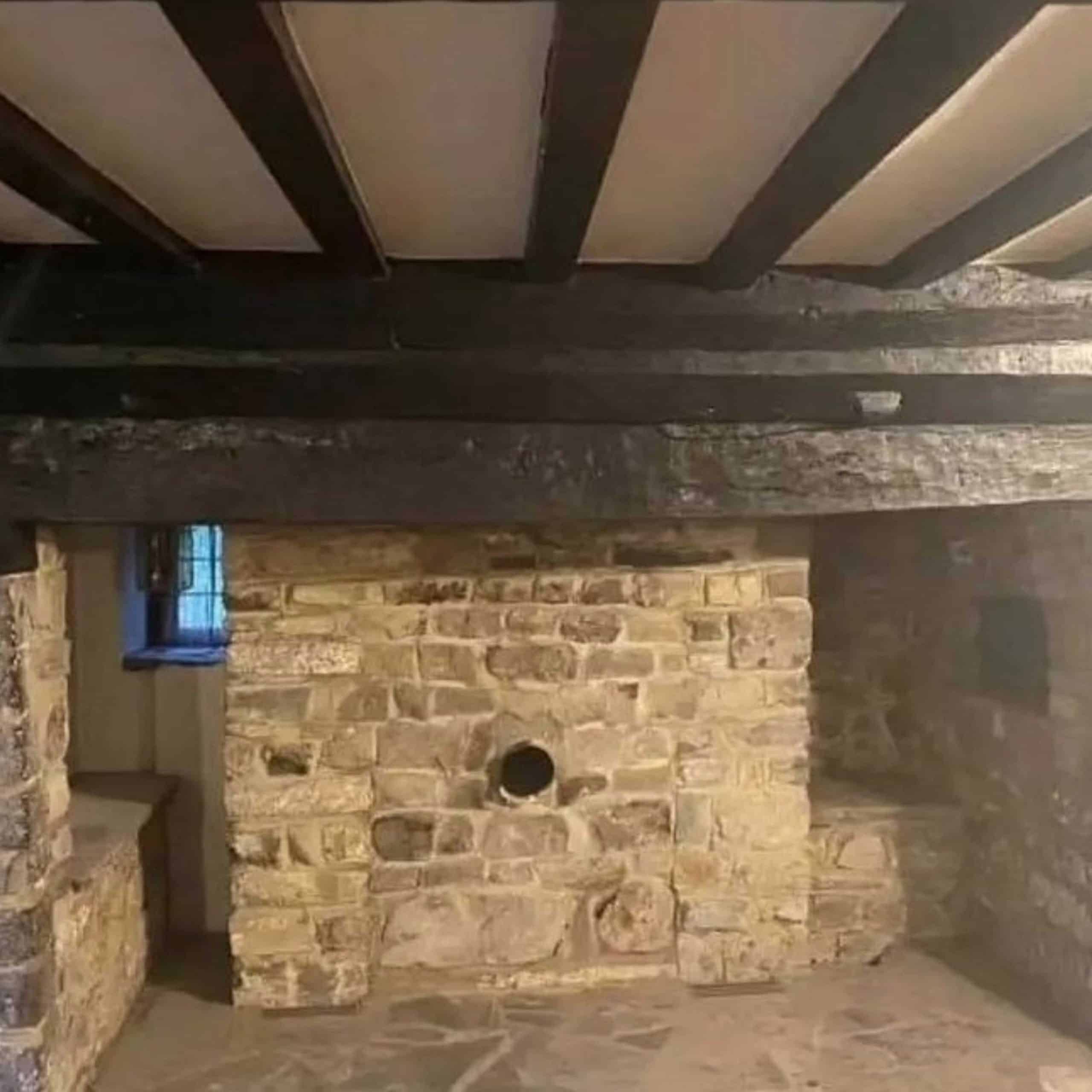
Done correctly, brick and stone cleaning transforms a tired looking building. Flagstone floors covered in bitumen or concrete come back to their natural finish. Painted stone frontages reveal the original masonry beneath. Inglenook fireplaces lose decades of soot and black paint. The difference is often dramatic, and because no harsh chemicals are used, the finish is authentic and long lasting.
Getting it right the first time
The single biggest factor in a good result is choosing an experienced company with the right equipment for your specific stone. The wrong pressure or medium can etch or pit soft masonry permanently. A proper site survey, a test patch and a considered choice of technique all protect your building.
Book a free site visit
If you have a period property in Wiltshire that needs brick or stone cleaning, we would be glad to visit, assess the surface and recommend the safest method. Call the team on 01460 73038 or send an enquiry through our website for a free quote. Restoring the natural beauty of your masonry is exactly what we love to do.

Leave A Comment