
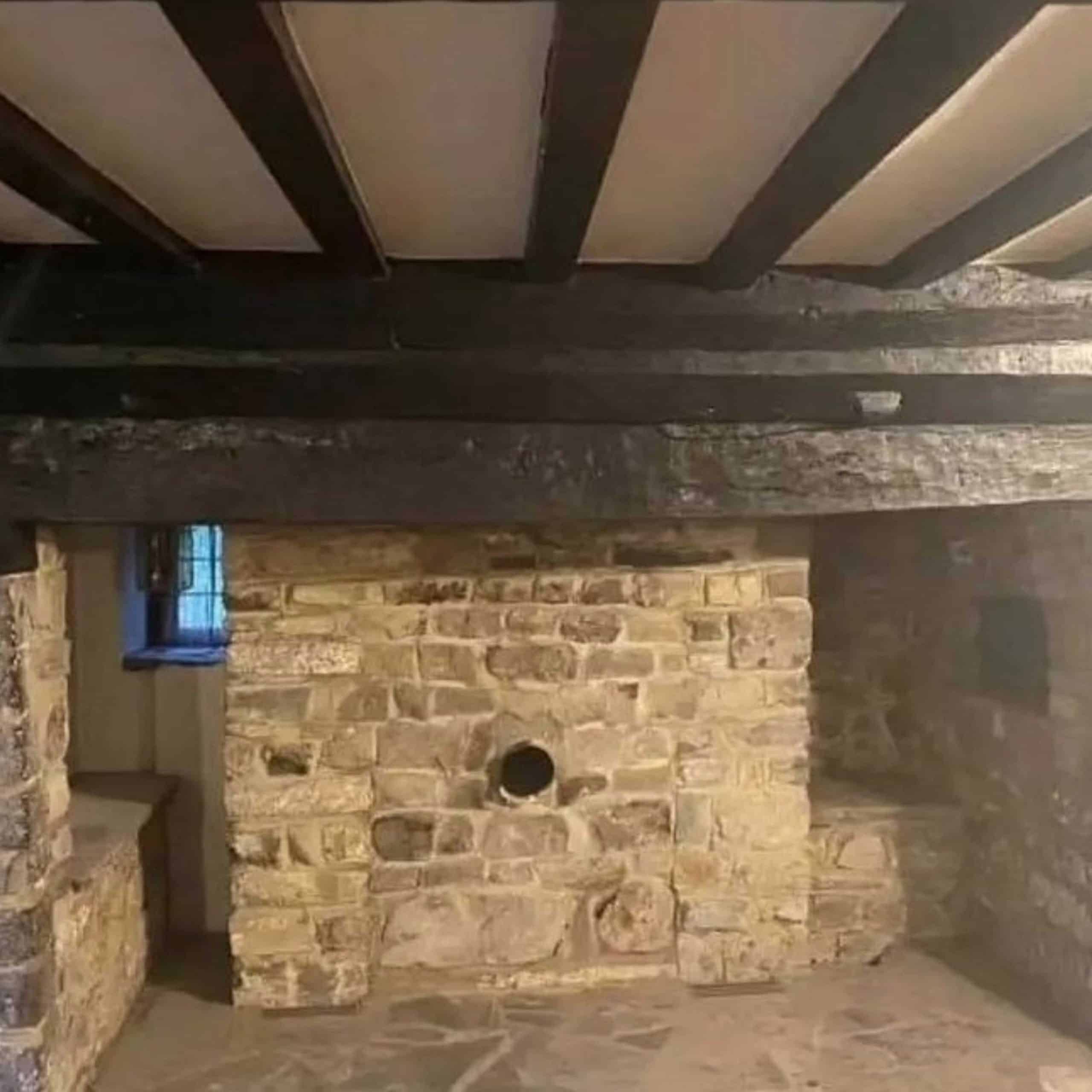
If you have never booked mobile sandblasting before, it is normal to wonder what actually happens when the team arrives. Whether you own a period cottage in Somerset, a barn conversion in Devon or a commercial unit in Dorset, mobile blast cleaning brings the equipment to you rather than you having to transport heavy or fixed items to a workshop. This guide walks you through the whole process so there are no surprises.
Why choose mobile blast cleaning
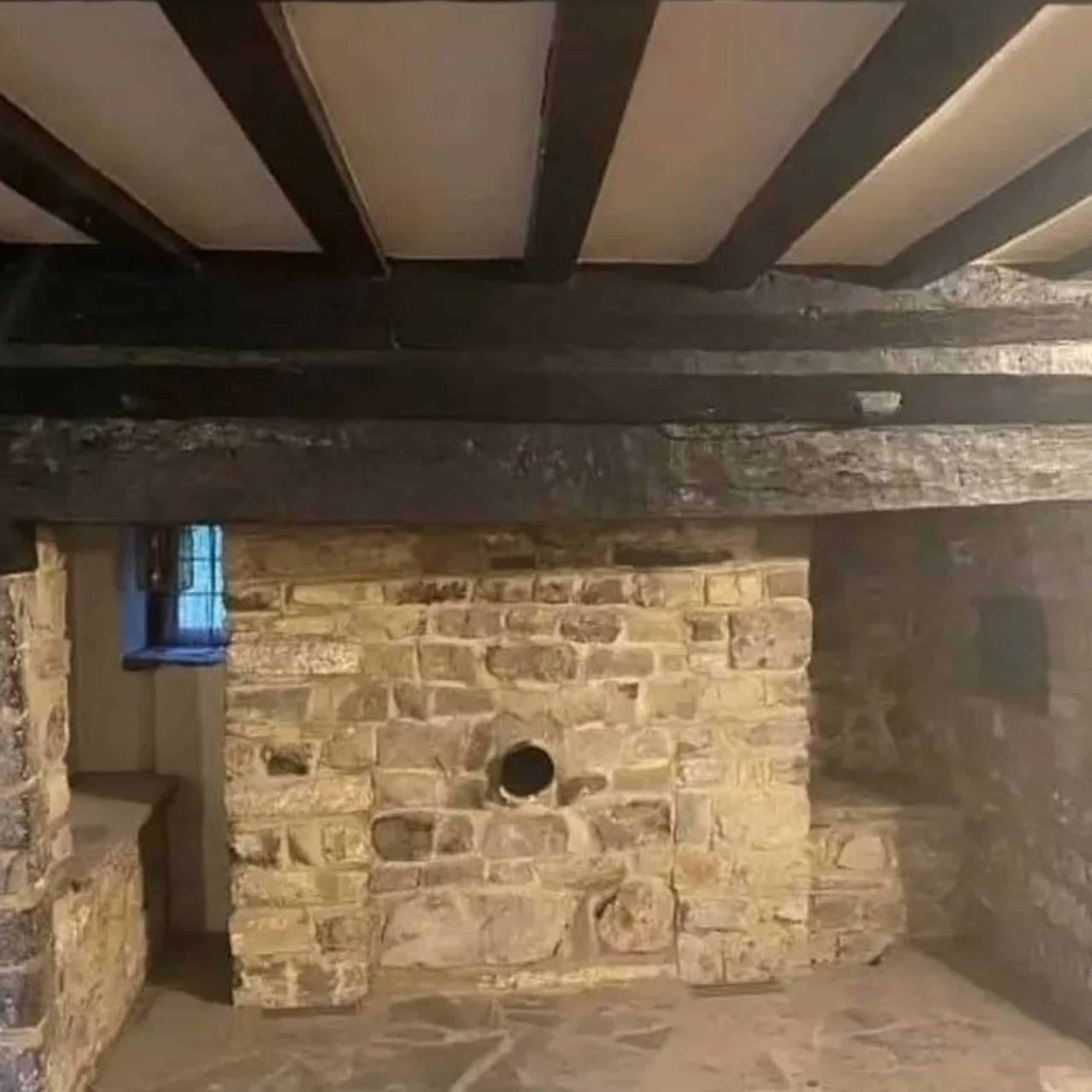
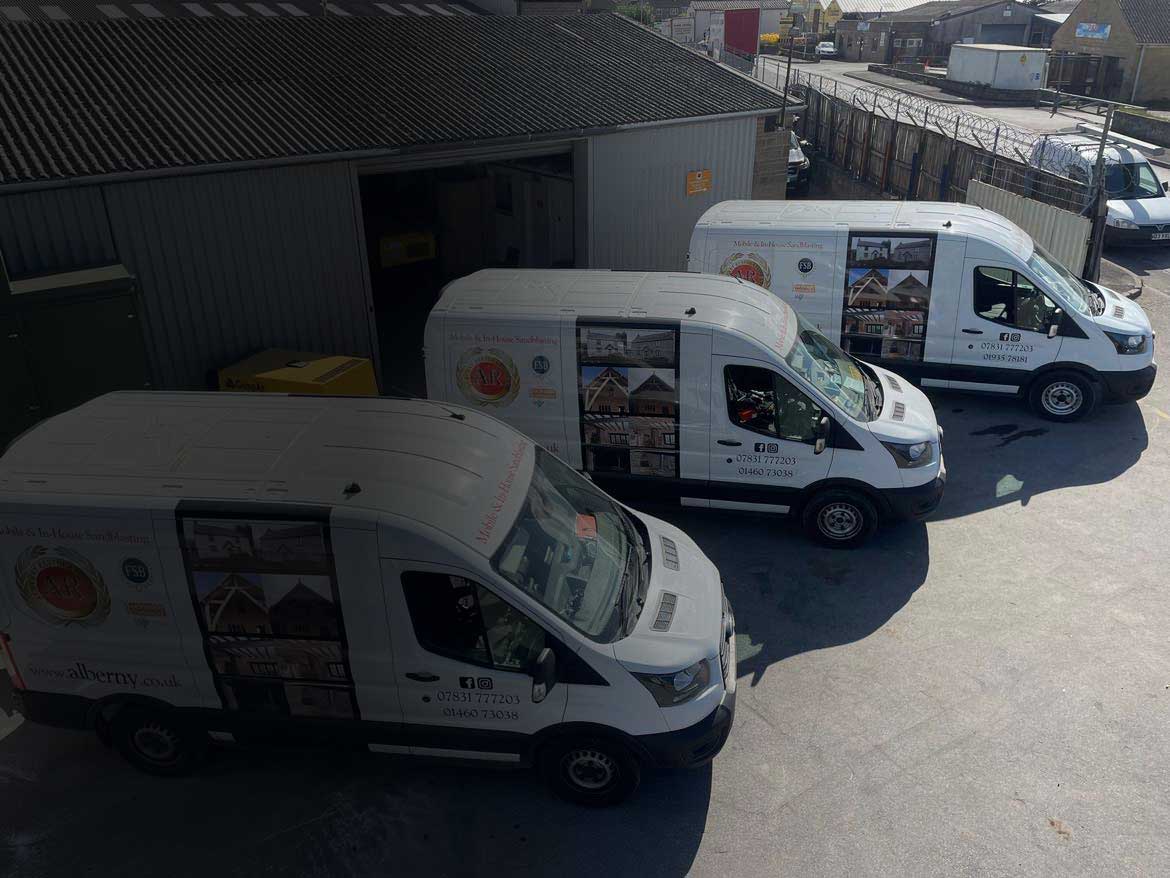
The biggest advantage of mobile sandblasting is convenience. Instead of removing beams, gates, radiators or stonework and hauling them off site, the team turns up with a full setup: compressors, blast pots, a choice of media and extraction gear. For fixed features like inglenook fireplaces, exposed roof trusses, external render or brickwork, mobile blast cleaning is the only sensible option because those things simply cannot be moved.
Because we cover a wide area, a mobile service also means you get the same quality of finish whether you are near our base or further afield. As a [blast cleaning company covering the South West](https://alberny.co.uk), we regularly work across Somerset, Devon, Dorset and Wiltshire, as well as further east into the Home Counties.
Before the team arrives
Every good job starts with a free site visit. This is where we look at the surface, work out the right technique and give you an honest quote. Different materials need different treatment. Soft masonry might need a gentle soda blast or the DOFF steam system, while heavy metalwork can take a coarser grit. Getting this right avoids damage and gets the best result.
We will also tell you how to prepare. For internal work, the honest truth is that dust travels. Moving soft furnishings out of the room and covering anything you cannot move makes a big difference to the clean up afterwards. Our team will talk you through exactly what to shift before the day.
On the day
Setting up and protecting your property
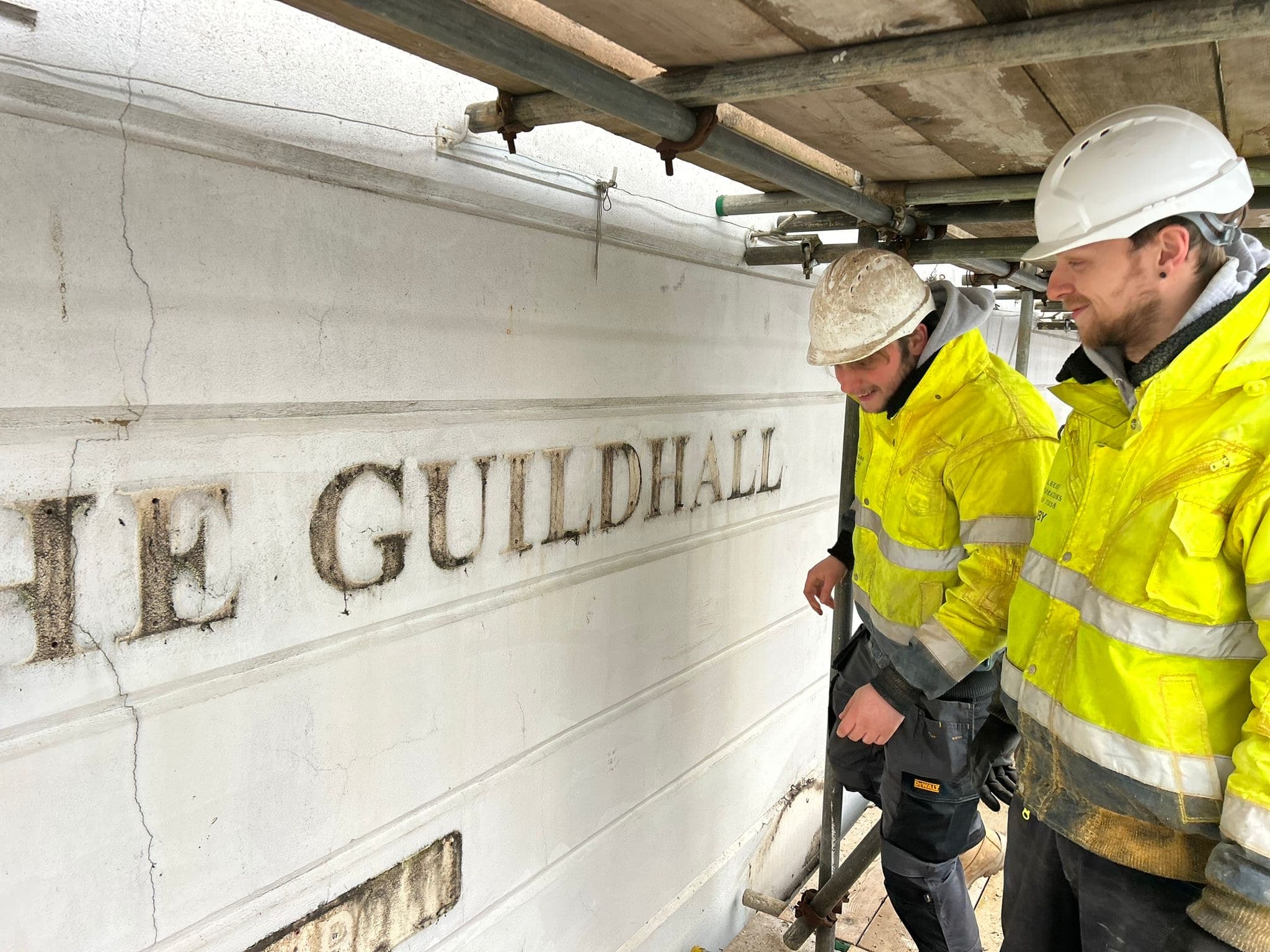
The first job is always protection. We sheet off the work area, position extraction systems and make sure surrounding surfaces, glass and neighbouring spaces are safe. For built up areas or jobs where dust is a concern, we often use wet blasting to keep airborne particles down.
The blasting itself
Once everything is protected, blasting begins. The team constantly checks pressure and media choice as they go, because the aim is to remove the paint, grime or rust without harming the surface underneath. On timber, this means bringing beams back to a warm natural colour. On stone and brick, it means stripping years of paint and letting the building breathe again.
Clean up and finish
When the blasting is finished, we clear away the debris and leave the site as tidy as possible. For metal, we can also offer a same day recoating service, blasting back to bare metal and applying a primer ready for your final coat.
How long does it take
Timescales depend entirely on the size of the job. Internal beams typically take one to three days depending on how many there are and how easy they are to reach. Larger industrial projects run longer, but the same care goes into every job regardless of scale.
Mobile or in house
Not everything has to be done on site. If you have gates, radiators, furniture or vehicle parts, our purpose built blast rooms at our facility give a controlled environment for smaller and delicate items. We even offer collection and delivery. If you are restoring a classic car or motorbike, take a look at our [vehicle restoration blast cleaning service](https://alberny.co.uk/services/vehicle-restoration) which is handled in house.
Ready to book
Mobile sandblasting is one of the fastest and cleanest ways to bring stone, timber and metal back to life. If you would like a free site visit and a no obligation quote anywhere across the South West, get in touch with the team on 01460 73038 or use the contact form on our website. We will be glad to talk through your project and recommend the right approach.

Leave A Comment