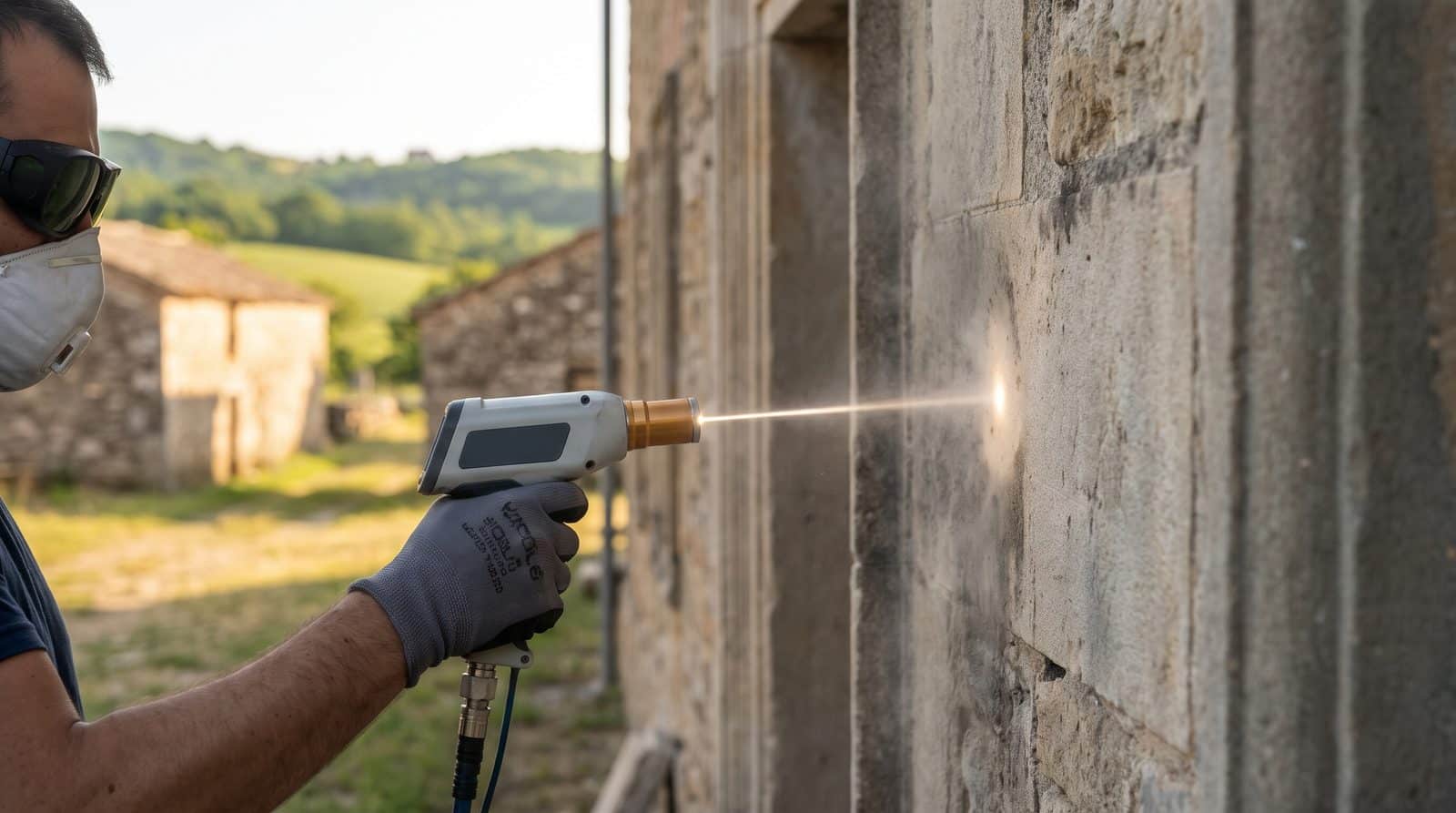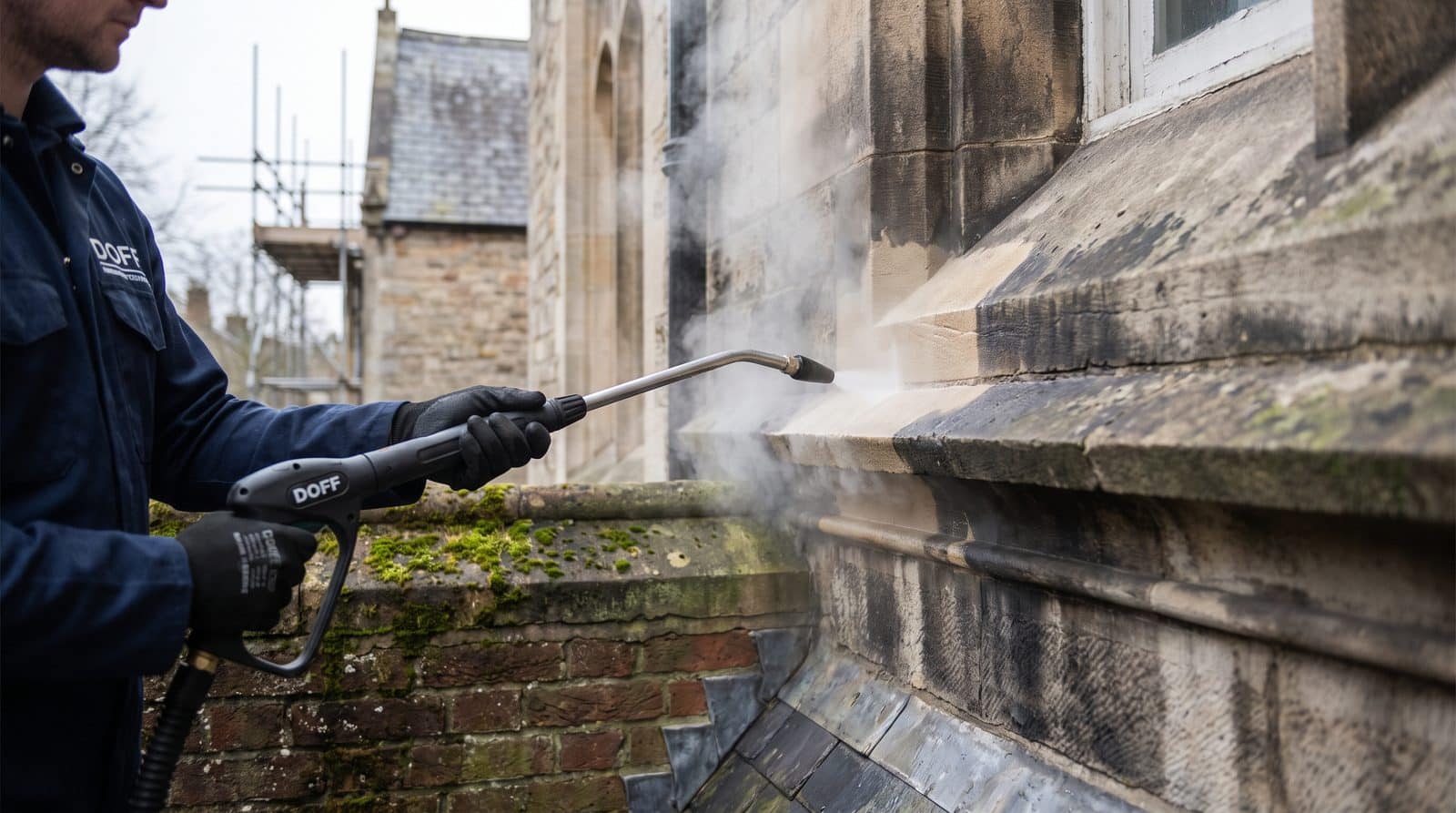
The DOFF cleaning system uses superheated steam, at variable temperatures and pressures and running at up to 150 degrees, to lift paint, dirt, moss and lichen from masonry without chemicals or abrasive media. It is approved for listed and historic buildings because it cleans without damaging the surface.
If you own a period property, or you are working on a heritage project, you have probably heard DOFF mentioned by an architect or conservation officer. This guide explains how it works, where it works best and where its limits are.
What is the DOFF cleaning system?
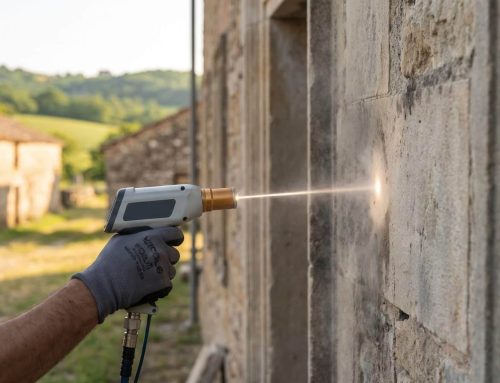
DOFF is a steam cleaning machine designed for building restoration. Instead of firing grit or soda at a surface, it delivers concentrated steam at adjustable temperatures and pressures. The operator can turn it right down for fragile stone or turn it up for stubborn coatings. No chemicals are used at any stage.
How does superheated steam remove paint?
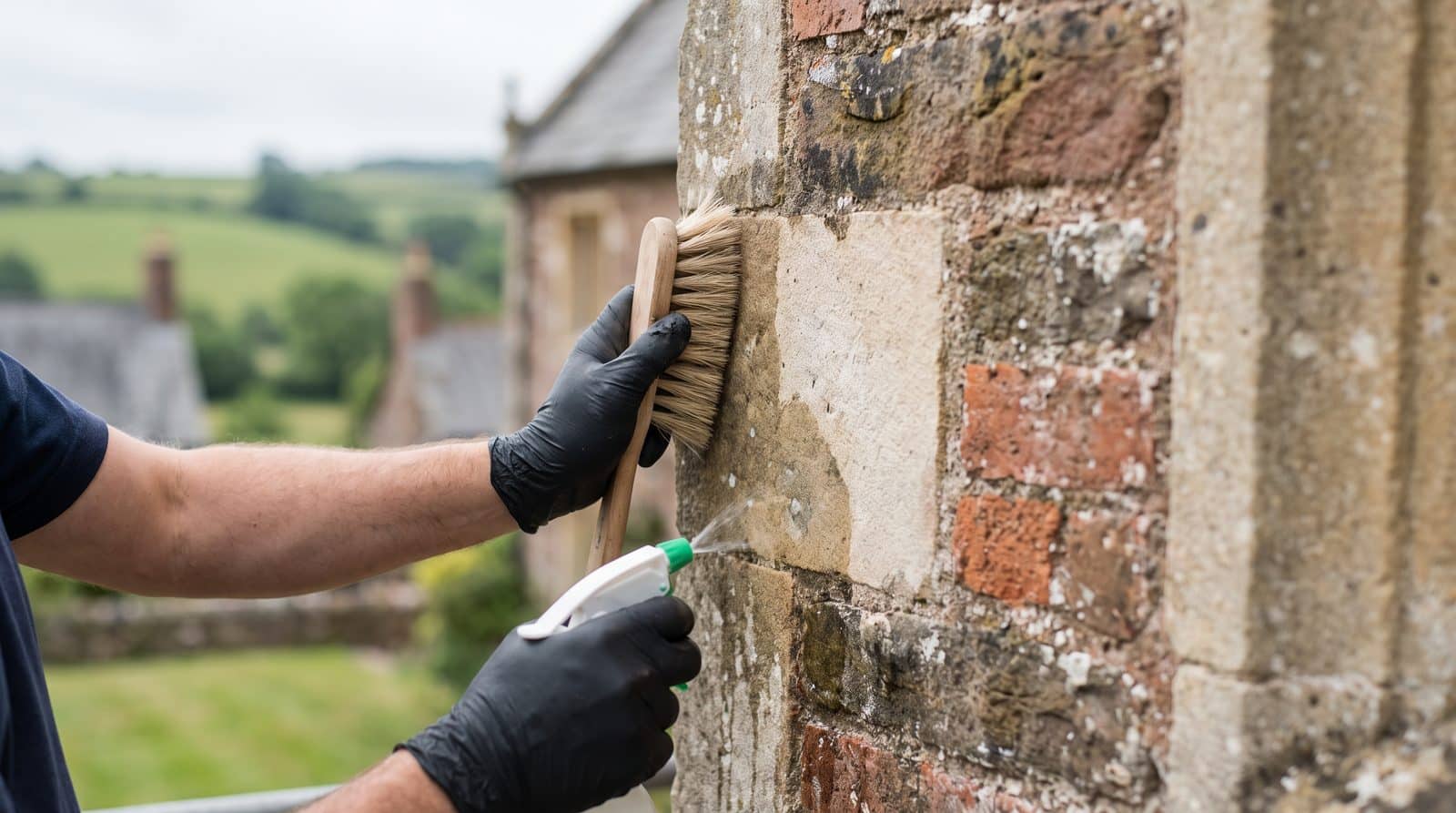
The heat softens and effectively melts modern paint off the wall, while the controlled pressure lifts it away. Because nothing abrasive touches the surface, the brick or stone underneath stays intact. Removing modern paint in this way also lets the wall breathe again, which can help with internal damp problems caused by the wrong type of paint.
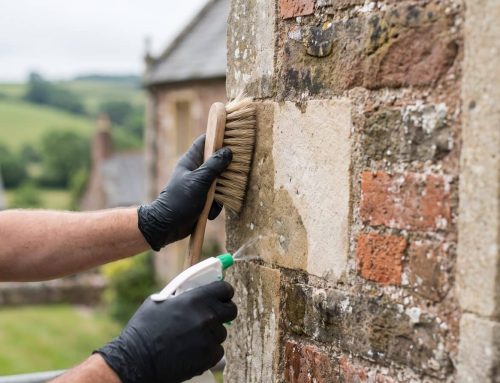
On one project, soft bricks with a decorative profile had the wrong paint applied, causing damp inside. The bricks were too soft for blast cleaning and the profile ruled out chemical peels. DOFF was the only viable option, and the detail of the brickwork was left in the best possible condition.
Which surfaces can the DOFF system clean?
DOFF works on all masonry materials. It is especially suited to:
- Soft brickwork and decorative brick.
- Limestone, hamstone, blue lias and Portland stone.
- Lime render.
- Slate and tiled roofs.
- Paved patios and paths.
Why is DOFF approved for listed buildings?
The DOFF system is a recognised and accepted method for cleaning listed buildings. It is fully approved, and in some cases recommended, by Grade II listed planning committees. There are three main reasons. It uses no chemicals. It does not abrade the surface. And it can remove modern paint while allowing original lime paint underneath to remain, which conservation officers often require.
Can DOFF remove lead paint?
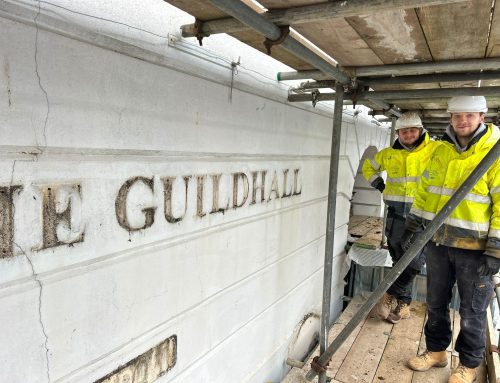
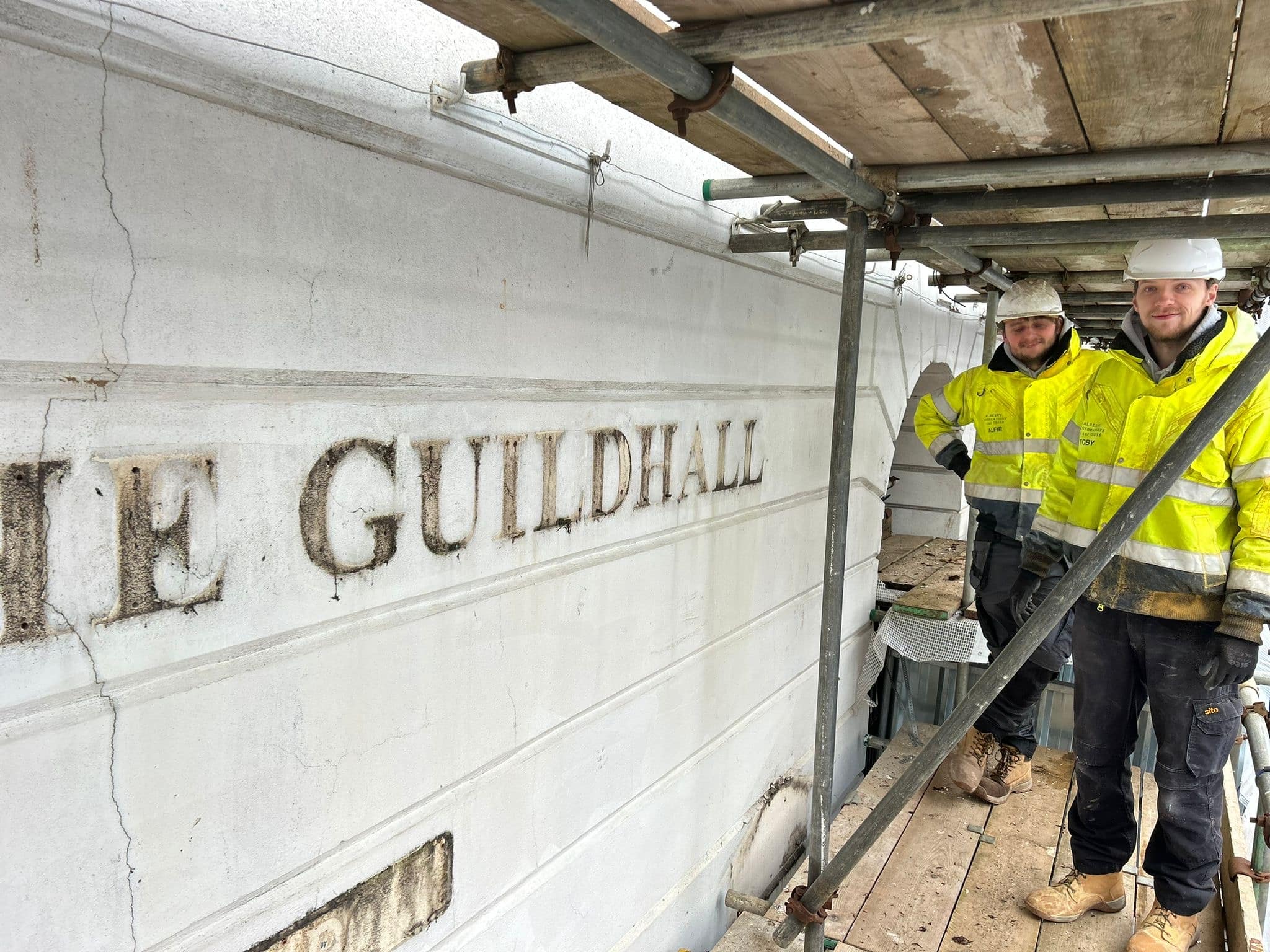
Yes. Because no dust is produced, lead paint removal with DOFF conforms to CLAW regulations. Alberny has used this method across the South West, including on the Guildhall in Barnstaple for Pearce Construction. You can see more on our DOFF paint removal page.
How is DOFF different from pressure washing?
A pressure washer relies on force and cold water. It can drive water into soft masonry and strip away the surface, and it does not kill the spores of moss and lichen. The DOFF system runs at 150 degrees, killing the spores, so there is no need for biological chemicals and growth does not return straight away. For roofs and walls covered in moss, this makes a real difference.
Where can DOFF be used?
DOFF is dust free, so it creates less mess than blasting. That makes it a good fit for occupied buildings, sites with other trades working nearby, and busy high streets and town centres. We have used it on listed brick walls around an arts centre on the Doddington Park estate for Stonewood Builders, as well as on homes and commercial buildings across Somerset, Devon, Dorset, Wiltshire and Bristol.
What are the limits of DOFF cleaning?
DOFF is slower than blast cleaning. On large areas of hard, sound stone with thick coatings, soft blasting or soda blasting may be quicker and more cost effective. The best choice depends on the material, the coating and the building, which is why a site visit comes first.
Conclusion
The DOFF cleaning system gives period and listed properties a gentle, chemical free way to remove paint, grime, moss and lichen while protecting the original surface. If you think DOFF could suit your building, find out more about our DOFF cleaning service or contact Alberny Restorations to arrange a free site visit.
Frequently asked questions
Is DOFF cleaning the same as pressure washing?
No. DOFF uses superheated steam at variable temperature and pressure, and runs at 150 degrees to kill spores, while a pressure washer uses cold water and force.
Can DOFF be used on soft brick?
Yes. DOFF is often the best option for soft brick, limestone and lime render because it does not damage the surface.
Does DOFF cleaning stop moss growing back?
The high temperature kills moss and lichen spores, so growth does not come straight back after cleaning, and no chemical biocides are needed.