
If your property was painted before 1980, there is a reasonable chance lead paint is sitting somewhere in the layers. On window frames, front doors, staircases, railings, structural steel and old render, it is extremely common. Left alone and in good condition it is usually stable. Disturbed badly, it becomes a genuine health hazard.
This guide explains what makes lead paint dangerous, how it must legally be handled, and which removal methods are safe.
Why lead paint is treated so seriously
The risk is not the paint film itself. It is the dust and fume created when that film is disturbed. Sanding, dry scraping, grinding and heat stripping all release fine lead particles that settle on surfaces, get walked through the house and are easily inhaled or ingested. Children and pregnant women are most at risk, and the effects are cumulative.
Which is why DIY sanding of old painted joinery is one of the worst things you can do in an occupied home. A single afternoon with an orbital sander can contaminate an entire room.
What the regulations expect
Work involving lead falls under the Control of Lead at Work Regulations, alongside general COSHH duties. In practice, a competent contractor should be providing:
- An assessment of whether lead is present, backed by testing rather than assumption
- A written risk assessment and method statement for the specific job
- A COSHH assessment covering the removal method
- Full containment of the work area, with sheeting and sealed access
- Controlled extraction and collection rather than open-air stripping
- Health monitoring for operatives where exposure warrants it
- Classification and disposal of waste as hazardous waste, with documentation
If a quote arrives with none of that mentioned, the contractor has not thought about it. On listed and historic buildings there is a second layer to consider, because the conservation officer will also have views on what the substrate can tolerate.
Safe removal methods
Blast cleaning with full containment
For metal, masonry and robust timber, grit or soft blast cleaning removes lead paint quickly and completely. The key is containment. The building or work zone is sealed, operatives are protected, and extraction and collection systems capture the debris. This is how large lead paint projects on industrial sites, bridges and public buildings are handled. Our lead paint removal service includes independent site testing, hazardous waste disposal options and full health checks for operatives before and after the work.
DOFF steam cleaning
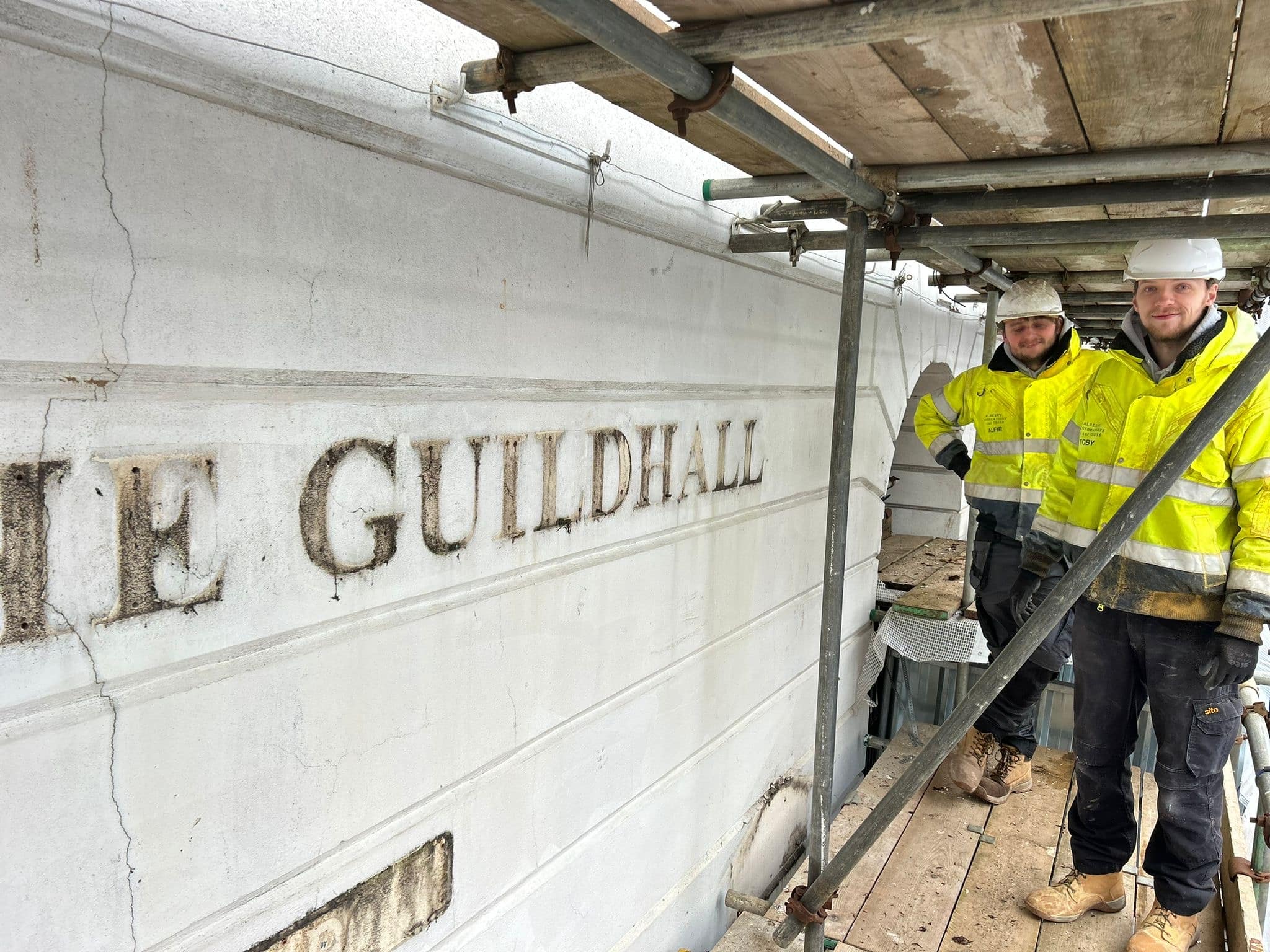
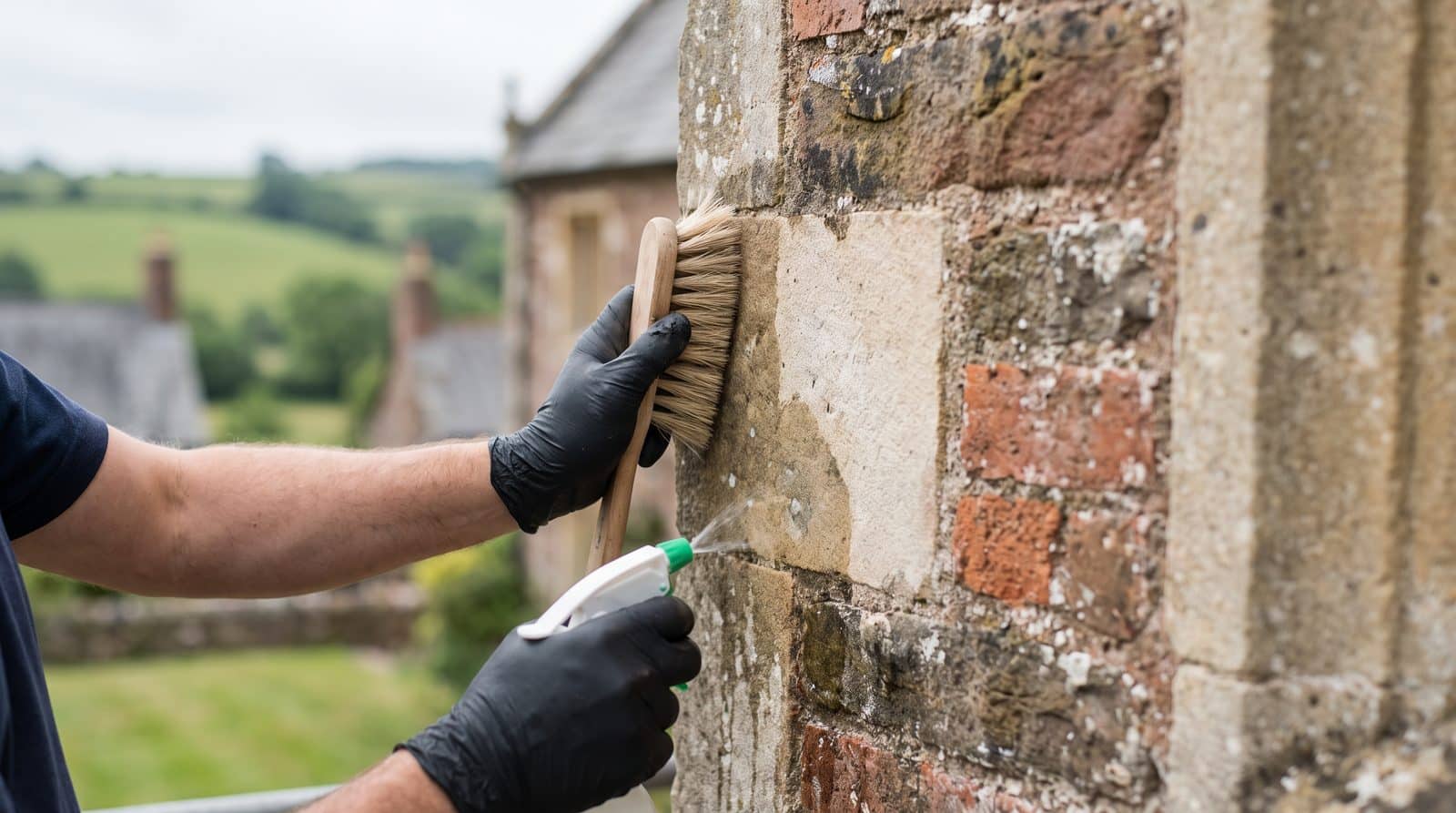
On listed and historic masonry, the DOFF cleaning system is often the better route. It uses super heated steam rather than abrasive media, so it creates no dust. Because there is no dust, it conforms neatly to the control requirements, and it is an accepted method on listed buildings. It also leaves any original lime paint underneath intact, which conservation officers frequently insist on. We have used it on projects including the Guild Hall in Barnstaple.
What to avoid
Open flame torches, uncontrolled dry sanding, dry scraping in occupied rooms and high pressure washing that sprays contaminated water across a site are all poor choices. Chemical peel systems have their place but generate hazardous waste of their own and struggle on detailed profiles.
Chemical free is not just marketing
Both blast cleaning and steam-based removal avoid solvent based strippers entirely. That matters if the building is occupied, if there is planting close to the walls, or if the substrate is a soft historic stone that would be damaged by aggressive chemicals. It also simplifies the waste stream, because you are only dealing with the paint residue rather than paint residue mixed with chemical.
Who we have done this for
We have carried out lead paint removal for the RAF, county councils, developers and private homeowners, from intricate window frames and doors through to brick, timber and structural metal. On larger projects we act as main contractor, sealing the building, protecting the team throughout, and providing the full paperwork trail afterwards.
Get it assessed properly
If you suspect lead paint on your property, the sensible first step is a survey rather than a scraper. We offer a free site visit that can include independent testing, advice on the right removal method for your substrate, and a quotation covering hazardous waste disposal. Contact the team and we will look at it before anything gets disturbed.



Leave A Comment