If you have bought a period property covered in old paint, or you are trying to bring tired brickwork back to life, you have probably searched for the best way to remove paint from brick. It is one of the most common questions we get asked, and the honest answer is that it depends on the brick, the paint and where the wall is.
Getting it wrong can leave you with damaged, crumbling brickwork or trapped damp. Getting it right reveals the natural beauty of the brick and lets the wall breathe again. Here is a straight-talking guide to your options.
Why paint on brick is such a problem
Modern masonry paints are designed to stick, and they do their job well. The trouble is that many of them also seal the surface, which stops moisture escaping. Over time this can lead to internal damp, blown render and spalling brick faces as trapped water freezes and expands.
Removing the paint sounds simple, but brick is porous and the wrong method can strip the fired outer face of the brick, leaving a soft, exposed core that weathers quickly. That is why the removal method matters just as much as the result.
Option 1: Soft blasting
Soft blasting uses compressed air to fire a fine media at the surface to lift paint and grime. For harder bricks and stone, our [masonry sandblasting and soda blast cleaning](https://alberny.co.uk/services/masonry) approach uses adjustable pressure and gentle mediums such as calcium or soda crystals so the surface is cleaned without gouging the brick.
Soft blasting is ideal for:
– Harder engineering bricks and natural stone
– Larger external walls where speed matters
– Removing bitumen, cement render and years of grime
Where dust is a concern in a built-up area, wet blasting keeps everything more contained.
Option 2: DOFF steam cleaning
Some bricks are simply too soft or too detailed to blast. This is where the [DOFF steam cleaning system](https://alberny.co.uk/services/doff) comes in. It uses super-heated steam at variable temperature and pressure to melt paint off the surface without abrasive media.
DOFF is the right choice when:
– The brick is soft or the profile is ornate
– You need a dust-free method near neighbours or a high street
– The building is Grade II listed and needs an approved, gentle method
Because it runs hot, DOFF also kills lichen and moss spores, so growth does not return straight away and no chemical biocides are needed.
Option 3: Chemical paint strippers
Chemical peel systems can work on some paints, but they struggle on textured or profiled brick where the poultice cannot reach into the detail. They can also introduce moisture and residue into the wall, and disposal of the waste needs care. For most brick walls we find soft blasting or DOFF gives a cleaner, safer result.
How to choose the right method
The safest approach is always a test patch. A professional will look at the brick hardness, the type of paint and the setting before recommending a method. On listed buildings this is not optional, as conservation officers usually specify a gentle, approved technique.
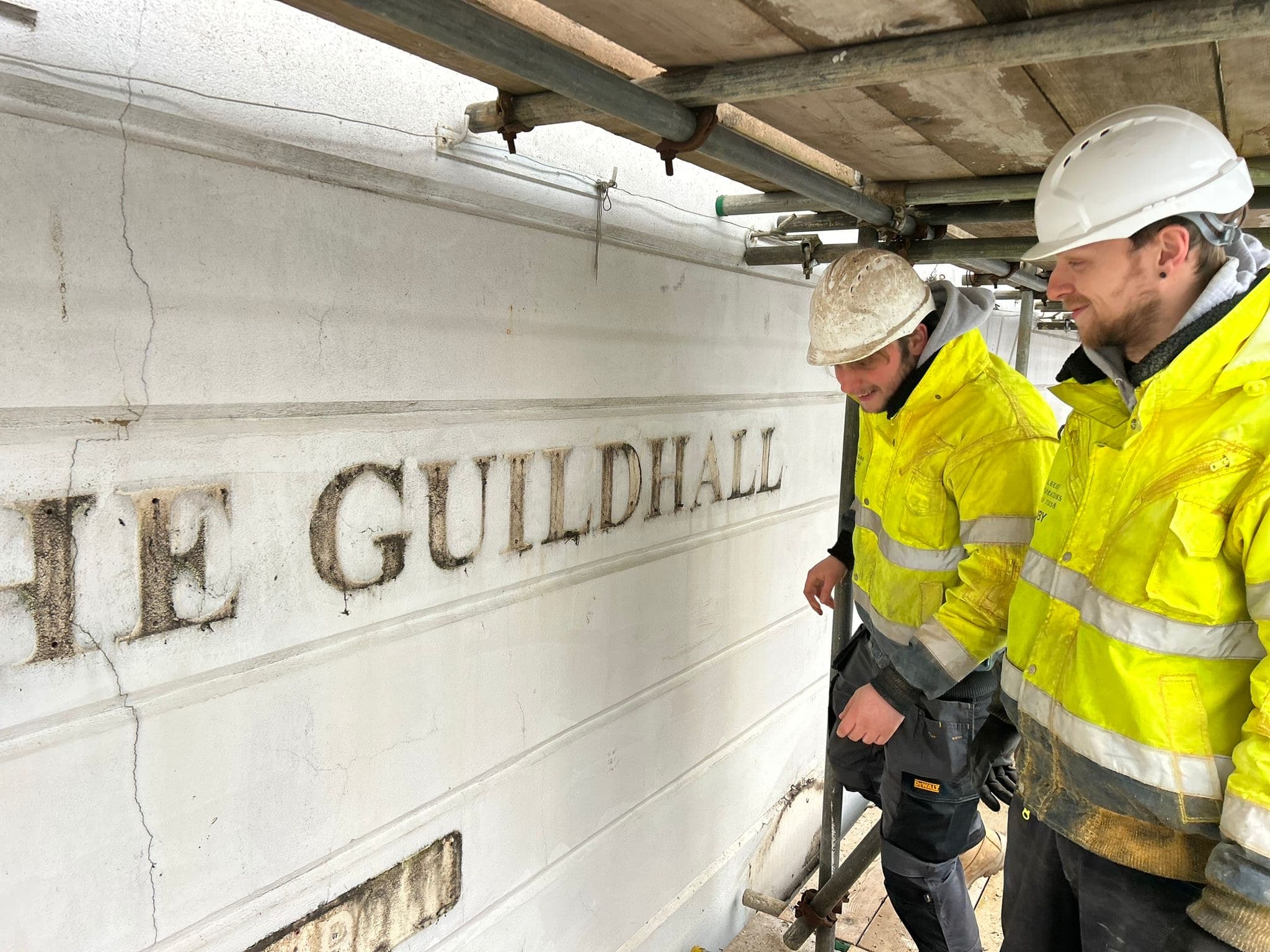
Our team carries out a free site visit across Somerset, Dorset, Devon and Wiltshire and will always clean a sample area first if needed. You can see examples of paint being safely removed from brick on our [portfolio of completed projects](https://alberny.co.uk/portfolio).
The bottom line
There is no single best way to remove paint from brick. Soft blasting is fast and effective on harder brick and stone, DOFF is the gentle, dust-free choice for soft or listed brickwork, and chemical stripping is rarely the best option for detailed masonry. The key is matching the method to your wall.
If you are dealing with painted brickwork and want an honest opinion on the safest way to restore it, get in touch with the Alberny team for a free quote and site visit. We will tell you exactly what your building needs, not what is easiest for us.